By the time you close your laptop, your body may feel as if it has been folded into the same shape for hours: shoulders creeping toward your ears, hips locked, lower back grumbling. Gentle evening yoga is not about striking perfect poses or turning yourself into a pretzel. It is a quiet reset, a way to move the stiff places, slow your breathing, and signal to your body that the working day is over. The routine below is designed for beginners, takes about fifteen minutes, and asks for no special flexibility. Do it in clothes you already have on, on a carpet or mat, with the lights low. Think of it as a bridge between desk mode and bed.
Why Evening Yoga Suits Desk-Bound Bodies
Desk work tends to keep the body in a narrow range. The shoulders round forward, the neck juts toward the screen, the hip flexors stay shortened, and the lower back takes the bill for all that sitting. Gentle yoga works because it moves those areas slowly and in several directions instead of asking you to hold one big stretch and hope for the best.
Evening is a useful time for this because you are not trying to warm up for a workout or push for progress. You are winding down. The aim is not to become more flexible by tomorrow morning. It is to leave your body a little less compressed than you found it, and to give your mind a clear finish line for the day.
If you are very tired, do less. Three poses done slowly are better than a full sequence done with gritted teeth.
Set Up a Low-Effort Space
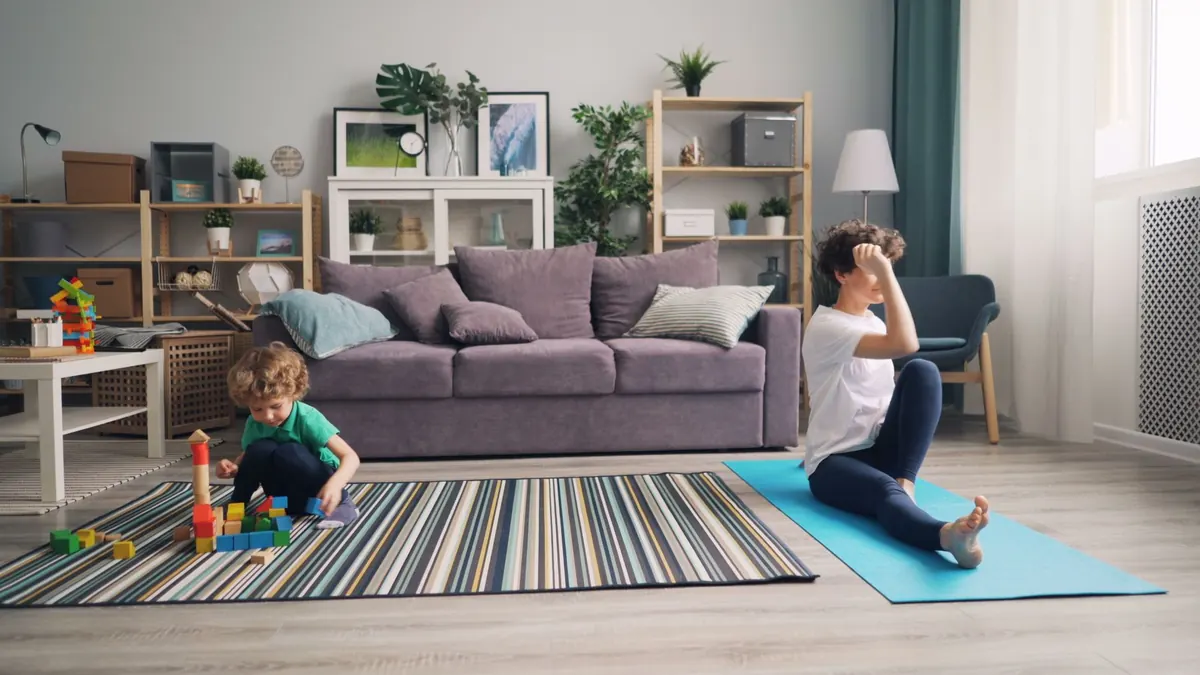
The easier the setup, the more likely you are to practice. You do not need a dedicated studio or a matching outfit. You need a patch of floor, a few props, and enough quiet to hear your own breathing.
What you need
- A mat, a thick towel, or a carpeted floor with enough grip.
- A folded blanket or towel for knees, forehead, or hips.
- A chair or a wall for support.
- A timer or phone with notifications silenced.
- Warm, loose clothing you can move in without adjusting constantly.
Make the room signal rest
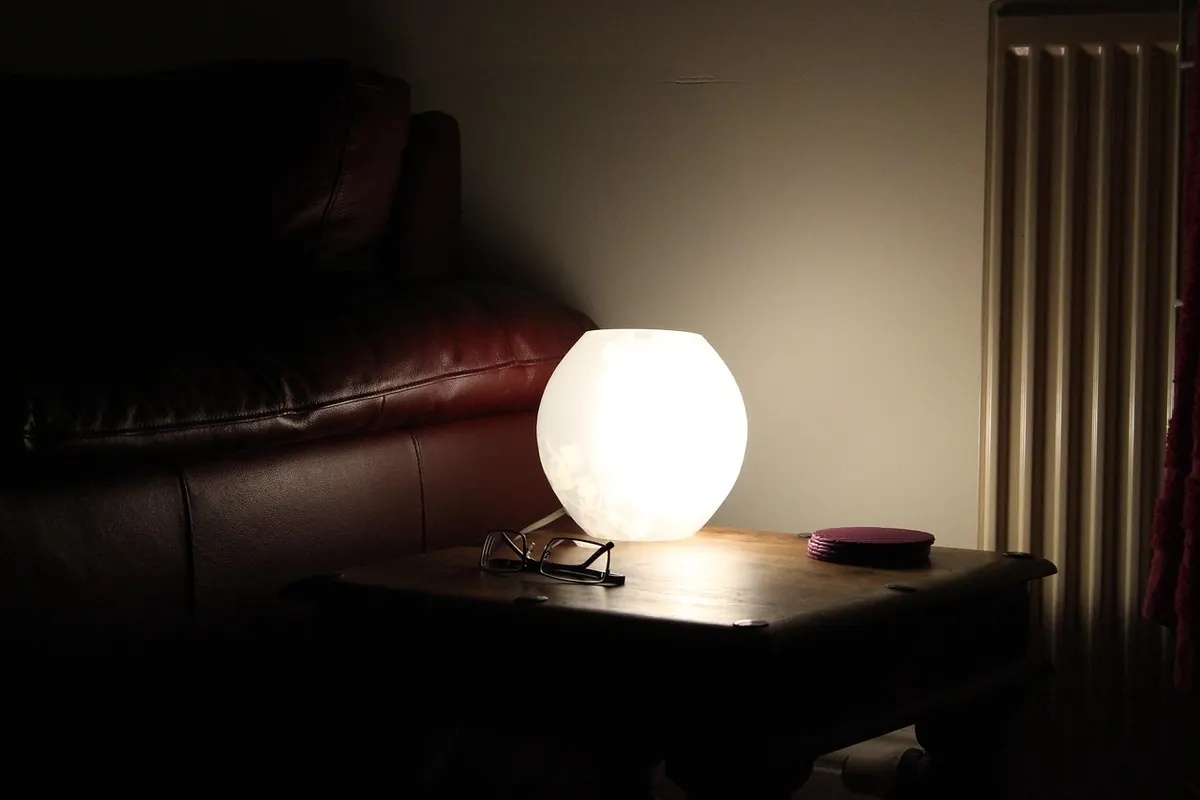
Turn off the overhead light and use a lamp if you can. Put your phone face down, or better, in another room. If you like a ritual, take a warm shower first or make a cup of herbal tea afterward. Keep your mat and blanket in one place so setting up takes less than a minute. If the setup becomes a project, the practice will quietly disappear.
The 15-Minute Gentle Sequence
Move through these poses in order, spending roughly the suggested time in each. Go slower than you think you need to. If a pose feels sharp, pinched, or dizzying, come out and choose the easier variation.
- Seated neck release, 30 to 45 seconds per side. Sit tall on a chair or cushion. Let your right ear drift toward your right shoulder, without pulling with your hand. Rest your right hand on the chair or your thigh. Breathe into the left side of your neck. Switch sides.
- Shoulder rolls and chest opener, 1 minute. Roll your shoulders up, back, and down five times, then reverse. Clasp your hands behind your back, or hold a towel between them, and lift your chest gently. Keep your ribs from flaring forward. Release and shake out your arms.
- Cat-cow, 8 to 10 slow rounds. Come to hands and knees. Inhale as you drop your belly, lift your chest, and look slightly forward. Exhale as you round your back and tuck your chin. If wrists or knees complain, do the same movement seated on a chair, rounding and arching your spine.
- Child’s pose, 1 to 2 minutes. Kneel with your knees wide and bring your hips toward your heels. Fold forward, resting your forehead on a blanket or your forearms. If your knees feel tight, place a folded blanket behind them or sit on a chair and fold forward instead.
- Seated forward fold, 1 minute. Sit on the floor with legs extended, or knees softly bent. Hinge from your hips and rest your hands on your thighs, shins, or a blanket. Do not bounce. Let your back round if that feels better than forcing a straight spine.
- Supine twist, 1 minute per side. Lie on your back and hug your knees toward your chest. Let both knees fall to the right while your shoulders stay grounded. Turn your head the other way if it is comfortable. Use a pillow between your knees if the twist feels strong. Switch sides.
- Legs up the wall, 3 to 5 minutes. Bring your hips close to a wall and swing your legs up. Rest your arms by your sides. If your hamstrings feel tight, move your hips farther from the wall. If lying this way is uncomfortable, rest your lower legs on a chair instead.
- Constructive rest, 2 to 3 minutes. Lie on your back with knees bent and feet on the floor, hip-width apart. Rest one hand on your belly and one on your ribs. Let each exhale be slightly longer than the inhale. When you finish, roll to one side and sit up slowly.
How to Move Without Making Things Worse
Gentle yoga should feel like a long exhale, not a negotiation. Use your breath as a gauge: if you are holding your breath, back off. If you cannot breathe easily in a pose, it is too much for tonight.
- Stay in a pain-free range. A mild stretch is fine; sharp pain, numbness, or tingling is not.
- Use props without apology. A blanket under the knees or a pillow under the hips is not cheating. It is how you make the practice fit your body.
- Avoid bouncing or forcing a stretch. Slow, steady movement gives your nervous system more to work with than a sudden push.
- Stop if you feel dizzy, faint, or unusually short of breath.
If you have an injury, recent surgery, pregnancy, or a condition that affects movement, check with a qualified health professional before starting a new routine. This sequence is general guidance, not a personal treatment plan.
Make It Stick: A Calmer Evening Routine
Attach the practice to something you already do. After you close your laptop, before you brush your teeth, or right after you change into comfortable clothes. Keep the mat rolled out if you have the space. Choose a shorter version on busy nights and call that a success.
A five-minute fallback
- Seated neck release, 30 seconds per side.
- Cat-cow, five slow rounds.
- Legs up the wall, three minutes.
That is enough to interrupt the desk-day pattern. You do not need to complete the full sequence to get the benefit of showing up.
A Simple Way to End the Day
Roll out your mat, lower the lights, and move through the sequence at the pace of your breathing. Keep the poses modest, use the blanket, and skip anything that feels wrong for your body. Ten to fifteen minutes of gentle attention is a practical way to close the working day and give your shoulders, back, and hips a chance to reset before sleep.
Photo: Vitaly Gariev / Pexels