The plates are stacked, the last chair is pushed in, and the evening opens up in front of you. For a lot of people that gap gets filled before it's even noticed: a phone picked up to check one thing, a show started, and then it's eleven o'clock and the night has quietly gone missing. A screen-free hour after dinner doesn't require a detox plan or a new personality. It requires an hour you claim on purpose, plus a few small arrangements made earlier in the day so the whole thing doesn't depend on willpower at 8:15 in the evening. Here is how to set it up so it actually holds.
Decide What the Hour Is For
Most attempts fail because they are defined by absence. "No screens" tells you what to avoid and nothing about what to do, which leaves you sitting in a chair at 8:20 p.m. feeling vaguely punished.
Name the contents instead. Pick one spine activity you can do without thinking much — a walk around the block, a chapter of a book, a puzzle on the table, a record played start to finish — and two backups for when the first one runs out of steam. Three options is plenty. Ten is a menu, and menus invite scrolling behaviour even when there's no screen involved.
Write the three down. A note on the fridge or inside the cover of the book you're reading does more than a mental list, because the decision gets made once, at a calm moment, instead of every night at the exact moment you feel least decisive.
An hour of nothing is hard. An hour of something is easy.
Set the Boundary Before Dinner, Not After
The decision point arrives earlier than most people expect. By the time you're clearing plates, the phone is already in your hand and the hour is already lost. Do the boring preparation while the oven is still on.
- Give the phone a home in another room. A hallway shelf, a bedroom drawer, a bag by the door. Not the kitchen counter, and not face-down beside you, where it hums against the table and reminds you it exists.
- Announce it if you share the house. "I'm doing an hour without my phone after dinner" is easier to keep than a private resolution nobody else knows about.
- Handle the one real exception in advance. If you're on call, waiting on a work reply, or the person a family member reaches first in an emergency, decide now how that works — ringer on, phone in the hallway, one check at a set time. Everything else can wait an hour.
- Set a kitchen timer for the end. It stops you from checking the clock on the device you're trying not to use.
Build a Low-Effort Toolkit
The activities that survive are the ones that need almost no setup. If getting started takes four minutes and a search for equipment, it won't happen on a Tuesday. Keep a small rotation within arm's reach:
- The long drink. Tea, decaf, a glass of something cold with ice, made slowly and deliberately. The ritual is half the point.
- Hands-busy work. Knitting, mending, whittling, sorting a drawer, repotting a plant. Anything that occupies your fingers while your mind wanders.
- Something to read that isn't a feed. A paperback, a magazine, a cookbook you actually cook from.
- A puzzle or a deck of cards left out on a table. Permanence matters. A jigsaw in the cupboard is invisible; a jigsaw on the side table gets a few pieces added every night.
- Music with a job. One album, front to back, no skipping.
- Paper. Three lines in a notebook: what happened today, what's happening tomorrow, one thing worth keeping.
- Small chores that feel good. Watering plants, wiping the table properly, folding laundry while talking.
A ten-minute walk counts. So does sitting on the step with a drink and doing nothing at all, as long as it's a choice rather than a wait.
Make the Room Say Something Different
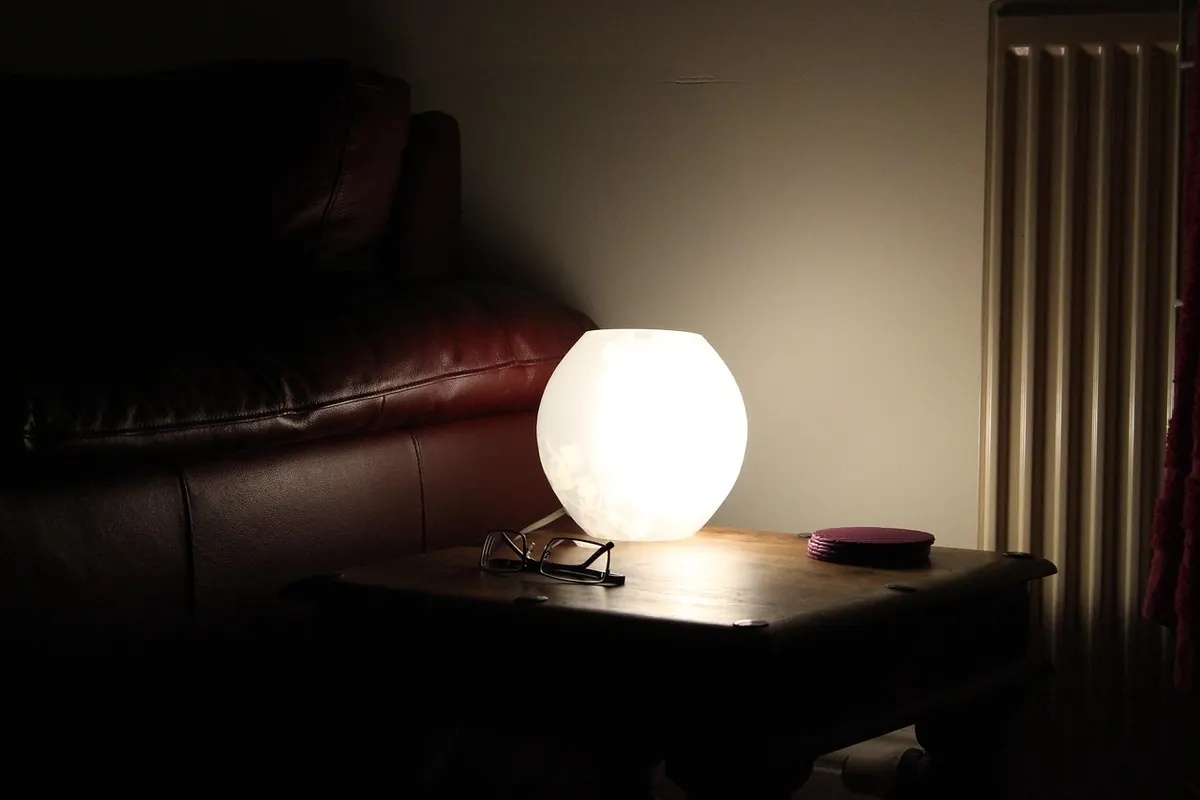
You don't need to rearrange the furniture. You need the default to be slightly more effortful than the alternative. A lamp switched on instead of the overhead light changes the mood of a room more than most people expect. So does clearing the table completely and leaving one object on it — the book, the puzzle, the mug.
If the television dominates the room, cover it with a cloth or angle it away for the hour. It sounds theatrical; in practice it removes the low-grade pull of a black rectangle sitting in your peripheral vision. When the phone is in another room, leave its usual spot empty and visible. The absence is a reminder, and reminders are what keep a habit alive in the first fortnight.
Handle the Predictable Friction
The first ten minutes will feel like a mistake. That's the shape of a habit loosening, not evidence that you chose badly. Plan for the friction rather than being surprised by it.
The "I need it for one thing" loophole
Recipes, timers, weather, a phone number, the name of an actor. Keep paper and hardware alternatives close: a kitchen timer, a wall clock, a notebook of phone numbers, a cookbook. Every legitimate use you've pre-solved is one fewer doorway back to the screen.
Other people in the house
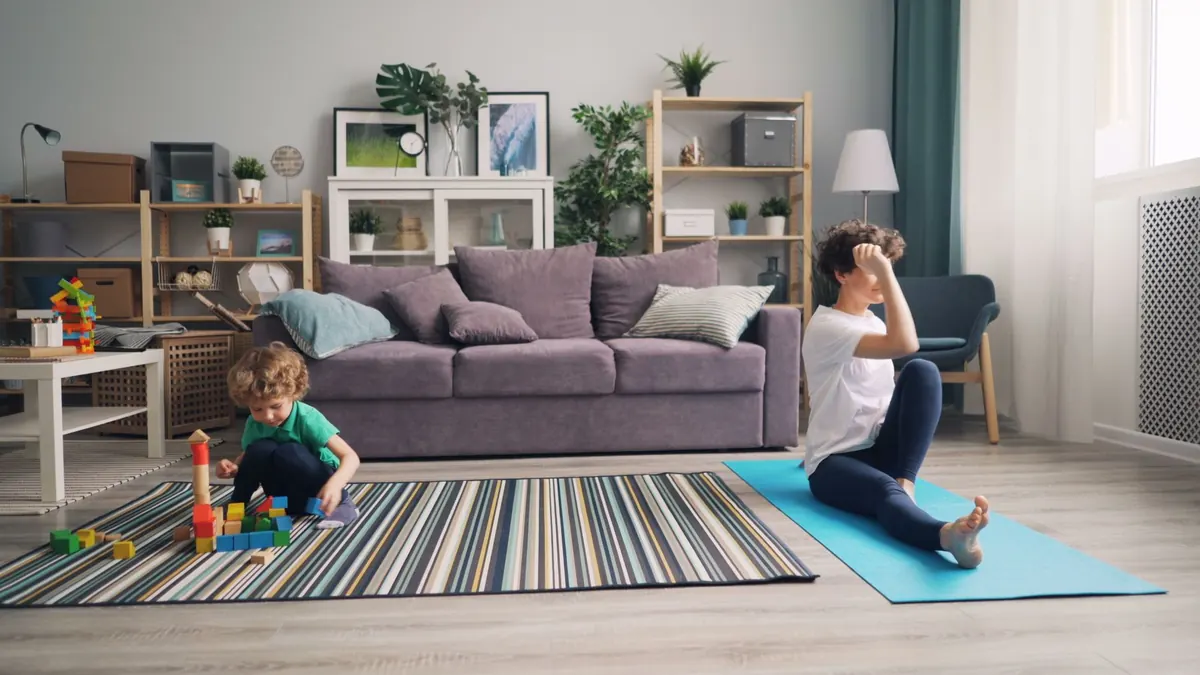
Don't turn it into a rule for anyone else. Make it an invitation with a start time: "I'm off my phone until ten, join me or don't." Children copy what adults do with their hands far more reliably than what they announce, so the hour works best when the grown-ups are visibly in the middle of something. Teenagers may surprise you if the alternative isn't framed as a punishment. And if you live alone, the quiet is the hardest part: leave the radio low, or make one evening a week a standing invitation for a friend to come over for the hour.
The work that doesn't stop
If your job follows you home, pick a single checkpoint — one look at nine o'clock, say — and let the hour between dinner and then be genuinely yours. Tell colleagues your evening response pattern once, plainly, rather than apologising for it every night.
When You Miss a Night
You will miss nights. A late dinner, a friend's call, a bad day, a series you genuinely want to watch. Missing one evening is information, not failure, and it doesn't require restarting anything. Skip it, note it, resume the next night. Five out of seven is a strong week; perfection is a trap that ends with the phone back on the table by Thursday.
Start With Twenty Minutes
An hour sounds tidy in a headline and daunting in a kitchen. Begin smaller.
- Night one: move the charger to another room and set a kitchen timer for twenty minutes. That's the whole task.
- Nights two and three: same twenty minutes, but add one item from the toolkit before you sit down.
- Nights four to seven: stretch it to forty minutes. Leave the timer visible.
- The following week: go to the full hour and keep it there on the nights that allow it.
If the evening screen time is covering something heavier — persistent anxiety, trouble sleeping, a job that genuinely never stops — an hour away from a phone is a good habit but not a treatment. It's worth raising with a doctor or therapist rather than expecting the routine to carry it alone.
One hour, then. Not forever, and not perfectly. Just tonight, with the kettle on and the phone in the hallway.
Photo: congerdesign / Pixabay